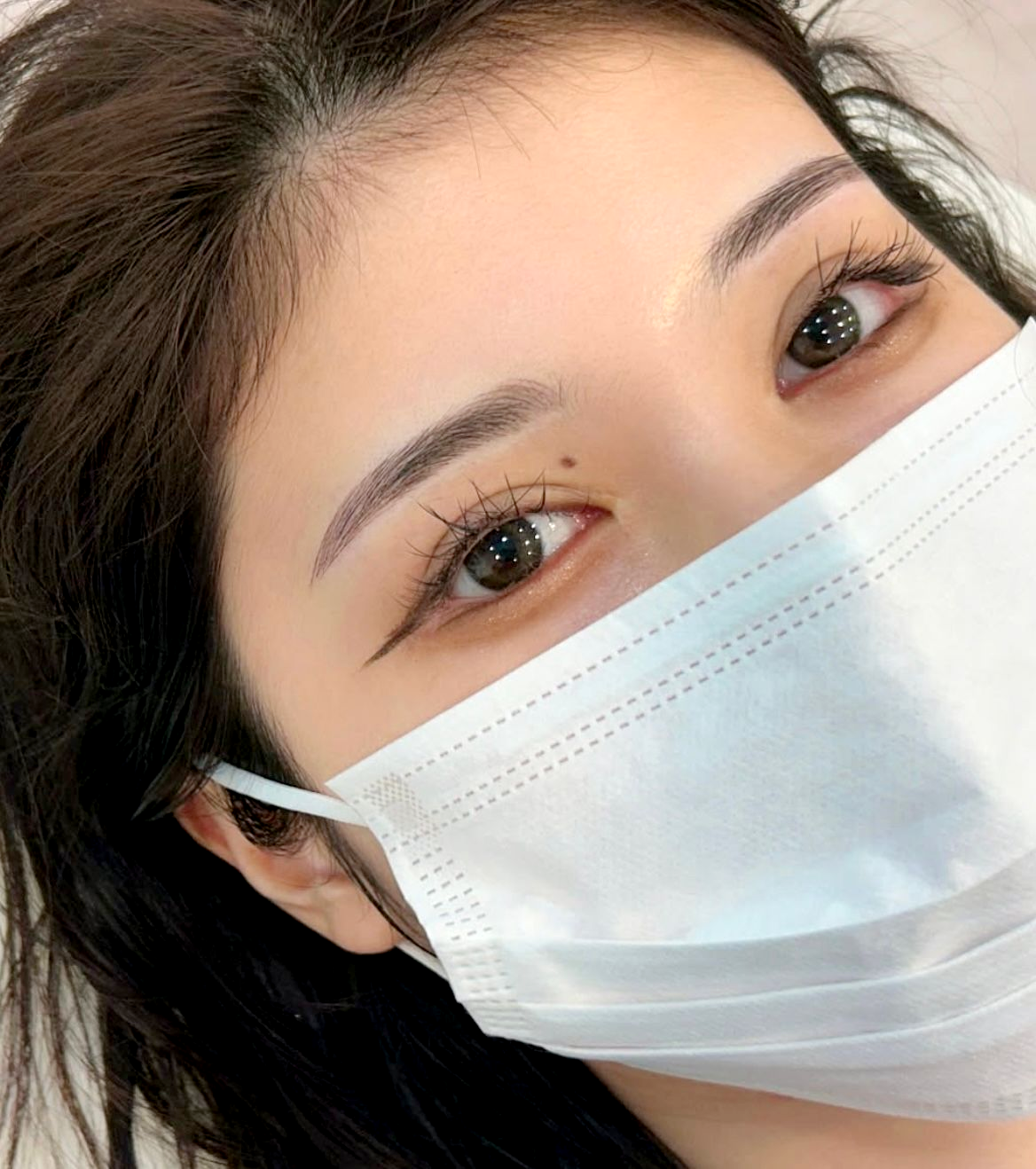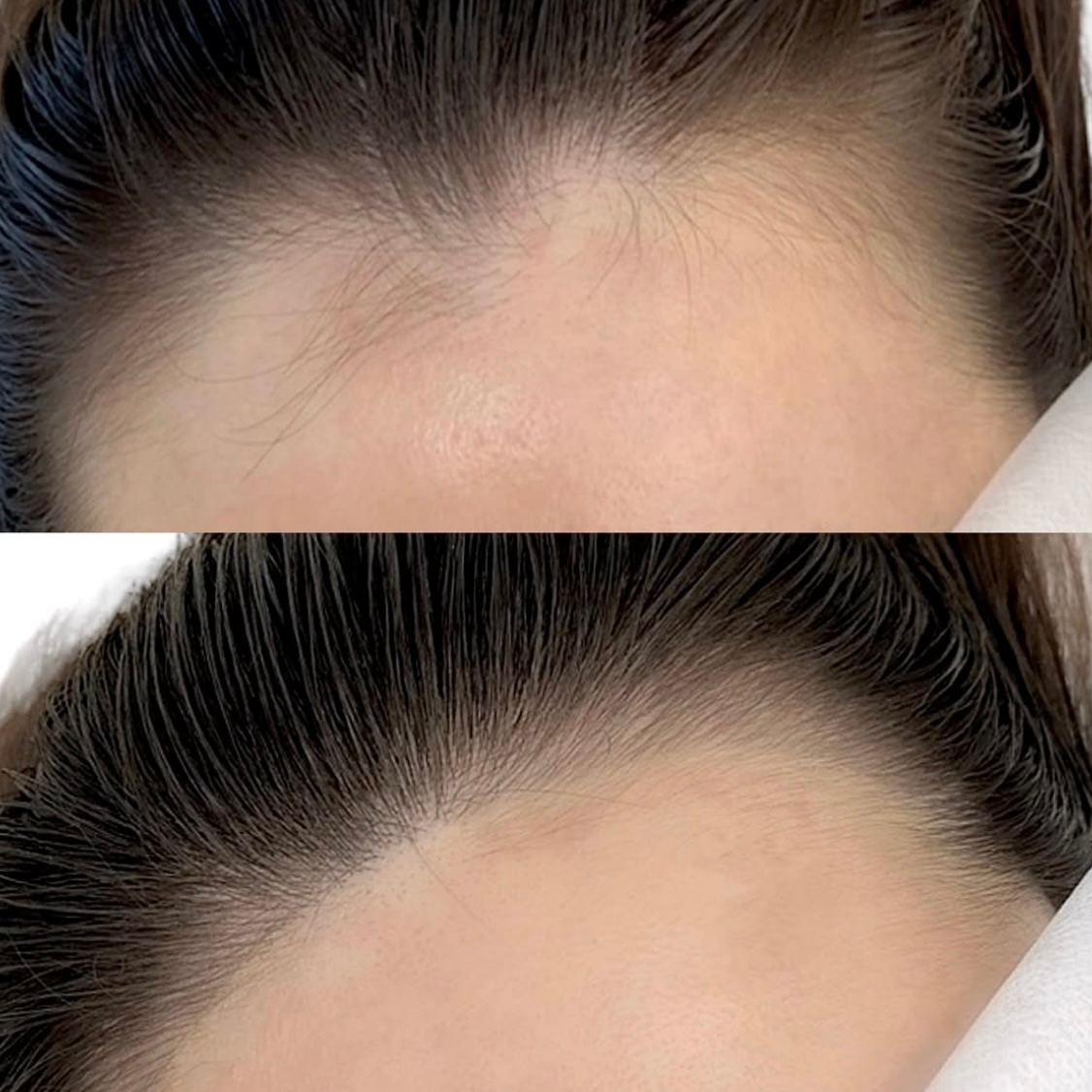
Everything you must do — and avoid — after microblading to protect your investment and get the best possible healed result.
Proper microblading aftercare is absolutely crucial for achieving the best results from your investment. The healing process directly impacts how your eyebrows will look for the next 1-3 years, making it essential to follow the right steps during each phase of recovery. At AMORJ Microblading Seoul, we've guided thousands of clients through successful healing journeys, and this comprehensive guide will walk you through every stage of the aftercare process.
Understanding what to expect and how to care for your newly microbladed eyebrows will help you avoid common pitfalls that could compromise your results. From the critical first 24 hours to the final healing phase, each period requires specific attention and care.
The Critical First 24 Hours
The first day after your microblading session is the most important for setting the foundation of proper healing. During this period, your eyebrows are essentially open wounds that need protection and gentle care.
Gentle cleansing becomes necessary after 2-3 hours. Use a clean cotton pad dampened with sterile saline solution or distilled water to very lightly dab the area, removing any lymph fluid or blood that may have accumulated. Pat dry with a clean tissue and apply a thin layer of the aftercare ointment provided by your technician.
Sleep with your head slightly elevated to minimize swelling, and avoid sleeping on your face. Many clients find it helpful to sleep on their back with an extra pillow to maintain the proper angle.
Days 2-7: The Scabbing Phase
During this week, you'll notice your eyebrows becoming darker and beginning to scab. This is completely normal and part of the healing process. The key is to resist the urge to pick or scratch at the forming scabs.
- 1Gentle Cleansing
Clean the area twice daily with lukewarm water and a gentle, fragrance-free cleanser. Pat dry and apply aftercare ointment sparingly.
- 2Moisturize Appropriately
Apply the recommended aftercare balm 2-3 times daily, but avoid over-moisturizing which can soften scabs prematurely.
- 3Protect from Water
Avoid direct water pressure on your eyebrows during showers. Use a shower cap or protective barrier if necessary.
You may experience some itching during this phase, which indicates healing is progressing normally. Apply a cold compress for 10 minutes if discomfort becomes bothersome, but never scratch or pick at the area.
Days 7-14: Flaking and Color Changes
The second week brings significant changes as scabs begin to naturally fall off and the true color of your microblading starts to emerge. Many clients worry during this phase as the color may appear patchy or lighter than expected.
Continue with gentle cleansing routines, but you can gradually reduce the frequency of ointment application. As scabs naturally shed, you may notice some areas appear lighter or missing strokes entirely. This is normal and doesn't indicate poor healing or technique.
Avoid makeup on or around the eyebrow area during this phase. If you must apply makeup nearby, be extremely careful not to get any products on the healing microblading area.
Weeks 3-8: Final Healing and Color Settling
The final phase of healing involves the color settling into its permanent shade and any remaining minor healing completing. By week 3, most scabbing should have resolved, but the skin may still appear slightly pink or sensitive.
You can gradually resume normal skincare routines, but continue to avoid harsh products directly on the microbladed area. The color will continue to soften and settle during this period, reaching its final appearance around the 6-8 week mark.
This is also when you'll schedule your touch-up appointment, typically between 6-8 weeks post-procedure. The touch-up allows your technician to perfect any areas that may need additional pigment or refinement.
Essential Do's and Don'ts
| DO'S | Explanation | DON'TS | Explanation |
|---|---|---|---|
| Keep area clean and dry | Prevents infection and promotes proper healing | Pick or scratch scabs | Can cause scarring and pigment loss |
| Apply aftercare ointment sparingly | Maintains proper moisture balance | Over-moisturize the area | Softens scabs prematurely, affecting retention |
| Sleep on your back when possible | Prevents pressure and friction on healing skin | Exercise vigorously for 7 days | Sweating can introduce bacteria and slow healing |
| Wear sunglasses outdoors | Protects from UV rays and wind | Expose to direct sunlight | UV rays can fade pigment and cause irritation |
| Follow technician's specific instructions | Customized advice based on your skin type | Use makeup on eyebrows for 10 days | Can introduce bacteria and interfere with healing |
| Eat healthy, anti-inflammatory foods | Supports natural healing processes | Swim in pools, oceans, or hot tubs | Chlorine and bacteria can cause infections |
| Stay hydrated | Promotes healthy skin regeneration | Use saunas or steam rooms | Excessive moisture and heat affect healing |
| Attend your touch-up appointment | Essential for achieving optimal results | Drink excessive alcohol for 48 hours | Thins blood and can increase bleeding |
| Contact your technician with concerns | Early intervention prevents complications | Use harsh cleansers or scrubs | Can damage healing skin and affect pigment |
| Be patient with the healing process | Results improve significantly over 6-8 weeks | Apply retinol or acids near the area | Can cause premature exfoliation and pigment loss |
Skincare Ingredients to Avoid
During the healing process and for several weeks afterward, certain skincare ingredients can interfere with pigment retention and proper healing. These active ingredients can cause premature exfoliation, leading to patchy or faded results.
These ingredients work by increasing cell turnover and exfoliation, which can push out the pigment before it has properly settled into the skin. Even products used on other areas of your face should be applied carefully to avoid accidental contact with the eyebrow area.
When you do resume using these products, apply them carefully around the eyebrow area, leaving at least a half-inch buffer zone to prevent any migration of product to the microbladed area.
Aftercare for Travelers
If you need to travel shortly after your microblading procedure, special precautions are necessary to ensure proper healing continues during your journey.
For flights, bring extra aftercare ointment in your carry-on luggage, as cabin pressure and dry air can affect healing skin. Apply a slightly thicker layer of ointment before boarding and reapply every few hours during long flights. The dry cabin air can cause excessive drying of the healing area.
Pack sterile saline solution and cotton pads for gentle cleansing if needed during travel. Avoid touching your eyebrows with unwashed hands, especially in airports and on planes where bacteria levels are higher.
If traveling to a sunny destination, pack a wide-brimmed hat and high-quality sunglasses to protect your healing eyebrows from UV exposure, which can fade the pigment and cause irritation.
Normal Healing vs. When to Contact Your Studio
| Normal Healing Signs | Contact Studio Immediately |
|---|---|
| Mild swelling for 24-48 hours | Excessive swelling lasting beyond 3 days |
| Light scabbing and flaking days 3-10 | Signs of infection (green/yellow discharge) |
| Color appearing darker initially | Severe pain that worsens after day 2 |
| Some areas appearing patchy during healing | Red streaking extending from the area |
| Mild itching during scabbing phase | Excessive heat or fever |
| Color softening over 4-6 weeks | Unusual discharge or strong odor |
Need Aftercare Support?
Our AMORJ team is here to guide you through every step of your healing journey. Whether you have questions about normal healing or need immediate assistance, don't hesitate to reach out.
Contact Us on WhatsApp