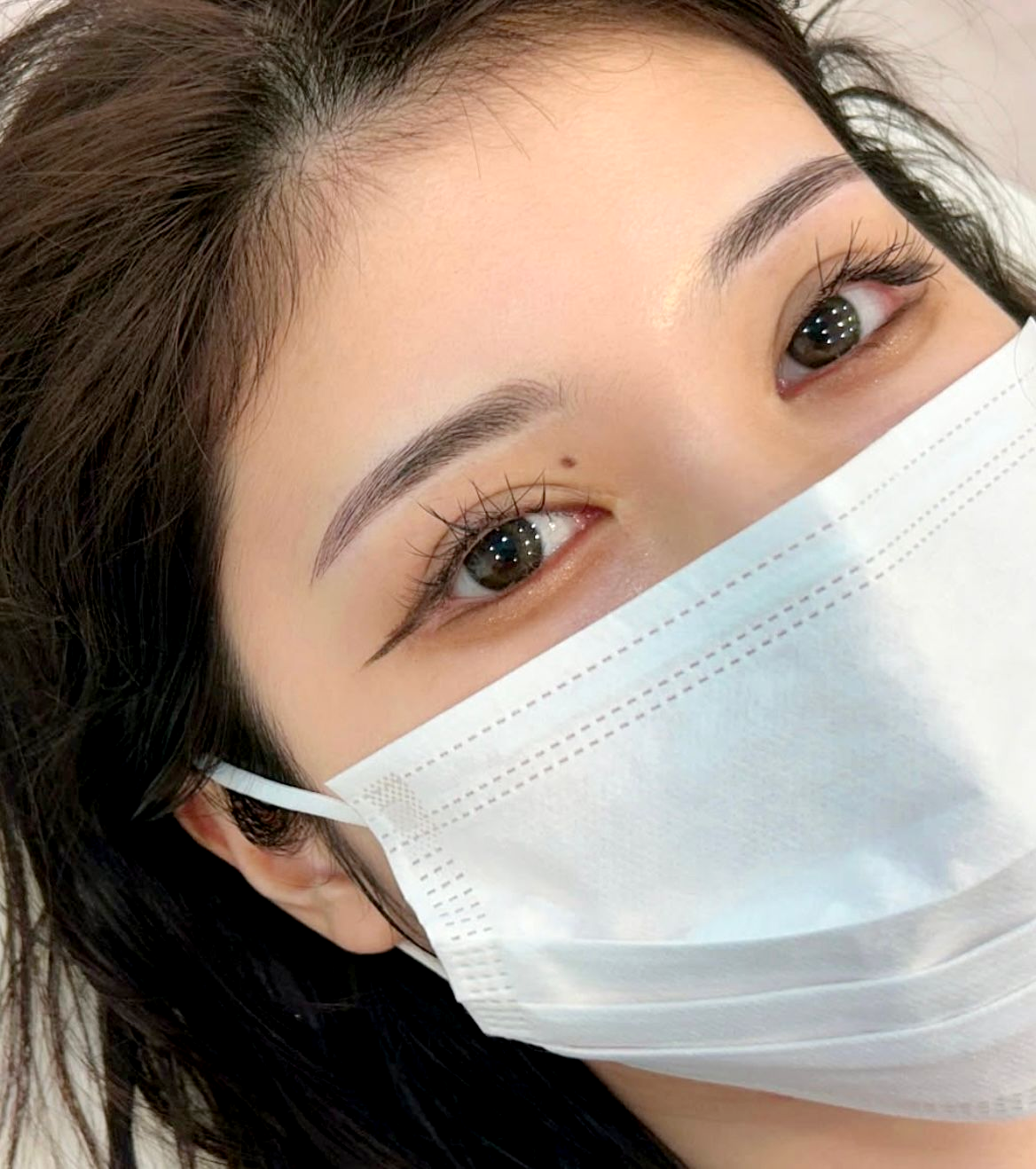
Oily skin and microblading can work — but you need to know what to expect. Here's how Korean artists handle it and how to extend your results.
Oily skin presents unique challenges when it comes to microblading, but with the right approach and realistic expectations, you can still achieve beautiful, long-lasting results. At AMORJ Microblading Seoul, we've perfected techniques specifically designed to work with oily skin types, ensuring optimal outcomes for our clients in Gangnam.
Why Oily Skin Makes Microblading Challenging
Oily skin produces excess sebum through overactive sebaceous glands, creating several obstacles for traditional microblading techniques. The natural oils can interfere with pigment retention, causing the ink to fade faster or blur over time. Additionally, oily skin tends to heal differently, with increased cell turnover that can push out pigments before they properly settle.
Excess oil production can cause microbladed strokes to appear softer and less defined within 6-8 months, compared to 12-18 months on normal skin types.
The porous nature of oily skin also means that pigments may not implant as deeply or evenly as they would in other skin types. This can result in patchy healing or uneven color distribution if not handled by an experienced artist who understands these unique characteristics.
Does Microblading Work on Oily Skin?
Yes, microblading can work on oily skin, but it comes with important caveats. Success depends largely on choosing the right technique, working with an experienced artist, and maintaining realistic expectations about longevity and appearance.
Traditional hair-stroke microblading may not be the best option for very oily skin, as the strokes tend to blur and lose their crisp appearance more quickly. However, modified techniques and combination approaches can deliver excellent results that complement oily skin's characteristics.
Technique Comparison for Oily Skin
| Technique | Suitability for Oily Skin | Longevity | Appearance | Maintenance |
|---|---|---|---|---|
| Traditional Microblading | Limited | 8-12 months | Strokes may blur | Frequent touch-ups needed |
| Powder Brows | Excellent | 12-18 months | Soft, natural gradient | Minimal maintenance |
| Combo Brows | Very Good | 10-15 months | Natural with definition | Moderate maintenance |
Powder brows emerge as the clear winner for oily skin types. This technique creates a soft, powdered effect that works harmoniously with oily skin's natural characteristics, providing better pigment retention and a more consistent appearance over time.
Korean Techniques for Oily Skin
Korean microblading artists have developed specialized approaches for oily skin that focus on adaptation rather than fighting against the skin's natural properties. At AMORJ, we employ several Korean-perfected techniques:
- 1Pre-Treatment Preparation
Thorough skin analysis and oil-control preparation 24-48 hours before the procedure to optimize pigment acceptance.
- 2Modified Depth Technique
Adjusting needle depth and pressure to account for oily skin's unique healing characteristics and oil production patterns.
- 3Specialized Pigment Selection
Using pigments specifically formulated to work with oily skin, ensuring better retention and color stability.
- 4Strategic Pattern Placement
Creating designs that work with natural oil distribution patterns for more even, long-lasting results.
Oily Skin Aftercare Essentials
Proper aftercare is crucial for oily skin success. The healing process requires careful attention to oil management while avoiding over-drying the treated area.
Keep the brow area clean and dry for the first 7-10 days, gently blotting excess oil without rubbing or scrubbing. Use only the aftercare products provided by your artist, as these are specifically chosen to work with your skin type and the techniques used.
Avoid oil-based skincare products around the brow area for at least 4 weeks post-treatment. This includes face oils, oil-based cleansers, and heavy moisturizers.
Sleep on your back when possible during the first week to prevent oils from transferring from your pillowcase to your healing brows. Change pillowcases daily and use clean, soft fabrics that won't irritate the treated area.
Products to Avoid
Certain products can interfere with healing and pigment retention on oily skin. Avoid retinoids, glycolic acid, and other exfoliating acids for at least 4 weeks before and after your procedure. These can accelerate skin cell turnover, pushing out pigments before they properly settle.
Stay away from oil-based makeup removers, cleansing oils, and heavy moisturizers in the brow area. Even waterproof makeup should be avoided during the initial healing phase, as removal products can affect pigment retention.
Sunscreen is essential, but choose mineral-based formulas rather than chemical sunscreens, which can interact with healing skin and pigments. Avoid swimming, saunas, and excessive sweating for the first two weeks.
Ready for Expert Oily Skin Microblading?
Our Korean-trained artists specialize in techniques perfect for oily skin types. Get professional consultation and stunning results.
Book Your ConsultationLongevity Expectations
For oily skin, microblading typically lasts 10-14 months with proper technique and aftercare. This is shorter than the 18-24 months possible with normal or dry skin, but still provides excellent value and convenience.
The fading process on oily skin tends to be more gradual and even, often resulting in a softer, more natural appearance as time progresses. Touch-ups at ₩150,000 can extend the life of your brows and maintain optimal appearance.
AMORJ's Consultation Approach
At AMORJ Microblading Seoul, our consultation process for oily skin clients is comprehensive and personalized. We begin with detailed skin analysis, examining oil production patterns, pore size, and healing characteristics specific to your skin.
Our Korean-trained artists discuss realistic expectations, recommend the most suitable technique for your specific skin type, and create a customized aftercare plan. We also provide before-and-after examples from clients with similar skin types, ensuring you have a clear understanding of achievable results.
The consultation includes patch testing when necessary and detailed discussion of maintenance schedules to keep your brows looking their best throughout their lifespan.