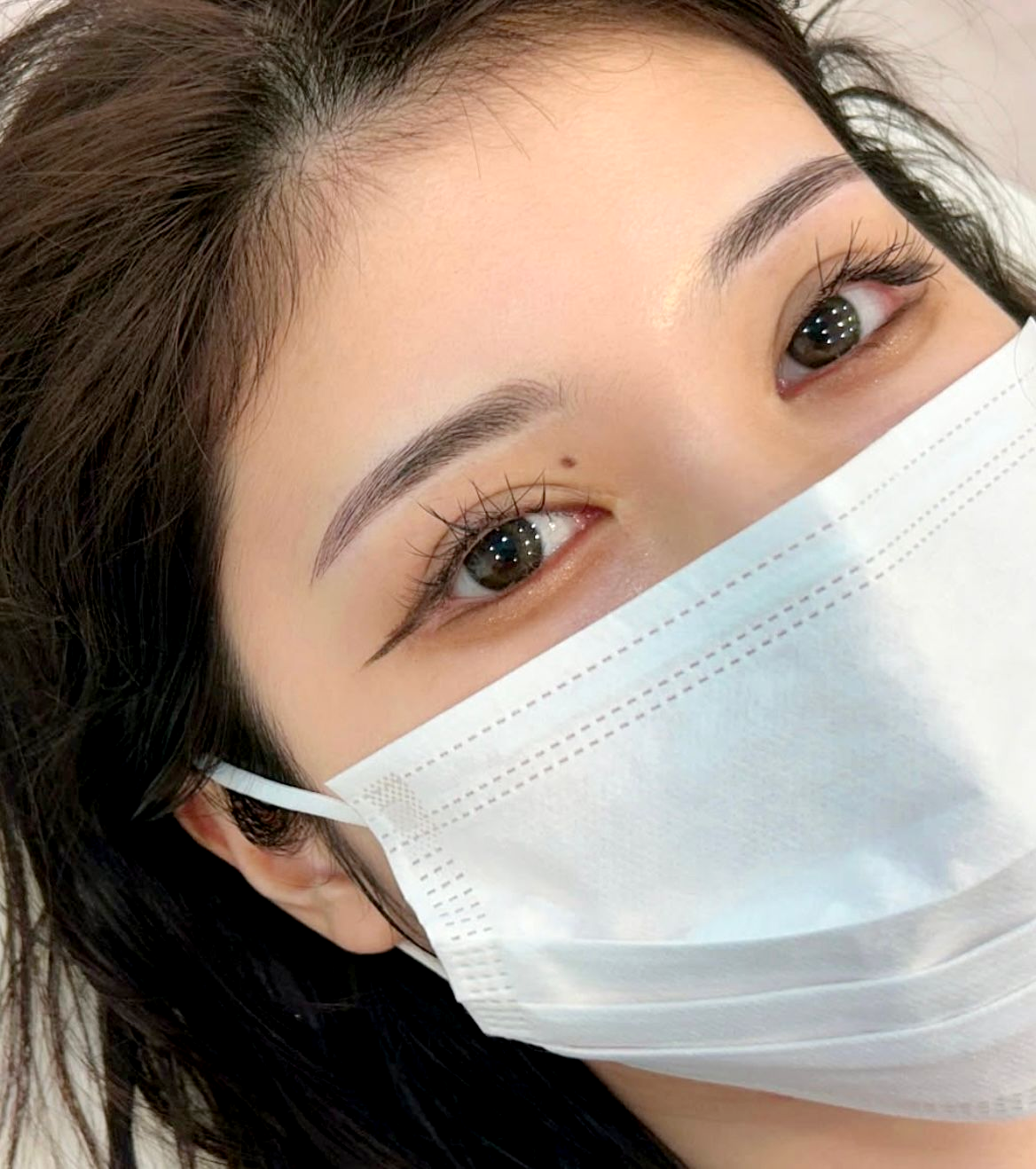
Microblading and microshading both give you great brows — but they're not the same. Here's everything you need to know before booking in Seoul.
When considering semi-permanent eyebrow solutions in Seoul, two techniques dominate the beauty landscape: microblading and microshading. Both offer stunning results, but understanding their differences is crucial for making the right choice for your skin type, lifestyle, and aesthetic goals. Seoul's advanced beauty industry has perfected both techniques, offering world-class results at competitive prices.
What Is Microblading?
Microblading is a manual semi-permanent tattooing technique that creates natural-looking eyebrow hair strokes. Using a specialized handheld tool with ultra-fine needles, skilled technicians create precise incisions in the skin and deposit pigment to mimic individual eyebrow hairs.
The process involves mapping your face to determine the ideal eyebrow shape, then meticulously creating hair-like strokes that follow your natural hair growth pattern. Each stroke is individually crafted, resulting in incredibly realistic-looking eyebrows that can fill gaps, reshape, or completely reconstruct your brows.
What Is Microshading?
Microshading, also known as powder brows or ombre brows, utilizes a digital machine to create thousands of tiny dots that form a soft, powdery effect. This technique builds up color gradually through stippling motions, creating a filled-in appearance similar to eyebrow powder or soft makeup.
The machine allows for precise control over depth and pigment saturation, creating a gradient effect that's darker at the tail and lighter at the front of the brow. This technique is particularly popular in Korea, where the soft, natural gradient look aligns perfectly with K-beauty aesthetics.
Unlike the sharp lines of microblading, microshading creates a softer, more diffused appearance that mimics the look of professionally applied eyebrow makeup. The technique involves building up color in layers, allowing for customizable intensity and opacity.
Are Microshading and Powder Brows the Same?
Yes, microshading and powder brows are essentially the same technique with different names. The confusion arises from various terminology used across different regions and salons. Whether called microshading, powder brows, ombre brows, or machine shading, they all refer to the digital machine technique that creates a soft, powdery finish.
The term "microshading" specifically describes the technique itself – the process of creating tiny dots with a machine. "Powder brows" describes the final result – the soft, powdered appearance. Both terms are correct and interchangeable in most professional settings.
Microblading vs Microshading: Complete Comparison
| Criteria | Microblading | Microshading |
|---|---|---|
| Technique | Manual handheld tool | Digital machine with needles |
| Appearance | Individual hair strokes | Soft, powdered finish |
| Best For | Sparse brows, natural look | All brow types, makeup effect |
| Pain Level | Moderate | Mild to moderate |
| Healing Time | 7-14 days | 5-10 days |
| Longevity | 12-18 months | 18-30 months |
| Maintenance | Annual touch-ups | Touch-ups every 2-3 years |
| Suitable Skin Types | Normal to dry skin | All skin types including oily |
Skin Type Matching Guide
Choosing between microblading and microshading often depends on your skin type. Microblading works best on normal to dry skin types because the precise cuts can heal properly and retain their sharp definition. However, oily skin tends to blur microblading strokes over time, making them appear less crisp.
Microshading is universally suitable for all skin types, including oily, combination, and mature skin. The dotting technique doesn't rely on precise cuts, making it more forgiving for skin that produces excess oil or has enlarged pores. The powdery effect actually looks more natural on oily skin, as it mimics how makeup powder would naturally settle.
Mature skin with less elasticity often responds better to microshading because the gentle machine technique causes less trauma than the cutting motion of microblading. Additionally, the soft finish of microshading can help create a more youthful, lifted appearance.
Longevity: Why Microshading Lasts Longer
Microshading typically outlasts microblading by 6-12 months due to fundamental differences in how pigment is deposited. The machine technique allows for more even pigment distribution at consistent depths, while microblading's manual cuts can vary slightly in depth and saturation.
The powdered effect of microshading also fades more gracefully than individual hair strokes. As microblading fades, individual strokes can disappear unevenly, creating a patchy appearance that requires touch-ups. Microshading fades uniformly, maintaining its overall shape and gradually becoming lighter without creating obvious gaps.
Environmental factors also play a role. The softer finish of microshading is less susceptible to sun damage and daily wear compared to the precise lines of microblading, which can blur or shift over time.
Price Comparison: Seoul vs International Markets
| Location | Microblading | Microshading | Touch-up |
|---|---|---|---|
| Seoul, Korea | ₩500,000 ($375) | ₩500,000 ($375) | ₩150,000 ($112) |
| United States | $500-800 | $600-900 | $200-300 |
| United Kingdom | £400-600 | £500-700 | £150-250 |
| Australia | AUD 600-900 | AUD 700-1000 | AUD 250-350 |
Korean Microshading Style
Korean microshading has developed its own distinctive aesthetic that differs from Western approaches. The Korean style emphasizes a more natural, gradient effect with softer edges and subtle color transitions. This approach creates brows that look like naturally full eyebrows enhanced with a light dusting of powder.
Seoul technicians often incorporate ombre techniques, where the brow is lighter at the front and gradually darkens toward the tail. This creates dimension and prevents the harsh, blocky appearance that can occur with uniform shading. The Korean approach also tends to use slightly cooler tones that complement Asian skin undertones better.
The precision and artistry found in Seoul's microshading services reflect Korea's advanced beauty standards and technological innovations. Many international clients specifically seek Korean microshading for its refined, natural results and longer-lasting outcomes.
Ready to Transform Your Brows?
Experience world-class microblading and microshading services at AMORJ Microblading Seoul, located in prestigious Gangnam. Our expert technicians specialize in both techniques and can help you choose the perfect option for your unique features and lifestyle.
Book Your Consultation via WhatsAppDecision Guide: Which Technique Is Right for You?
Choose microblading if you want individual hair-like strokes, have sparse natural brows, prefer a more defined look, and have normal to dry skin. This technique is ideal for those who want to maintain a very natural appearance and don't mind more frequent touch-ups.
Opt for microshading if you have oily or combination skin, prefer a soft makeup-like finish, want longer-lasting results, or have existing eyebrow hair that you want to enhance rather than replace. Microshading is also better for those with active lifestyles who need low-maintenance brows.
Consider combination brows (microblading + microshading) if you want the best of both worlds – hair strokes for texture and shading for fullness. This hybrid approach creates incredibly natural-looking brows with maximum longevity.